
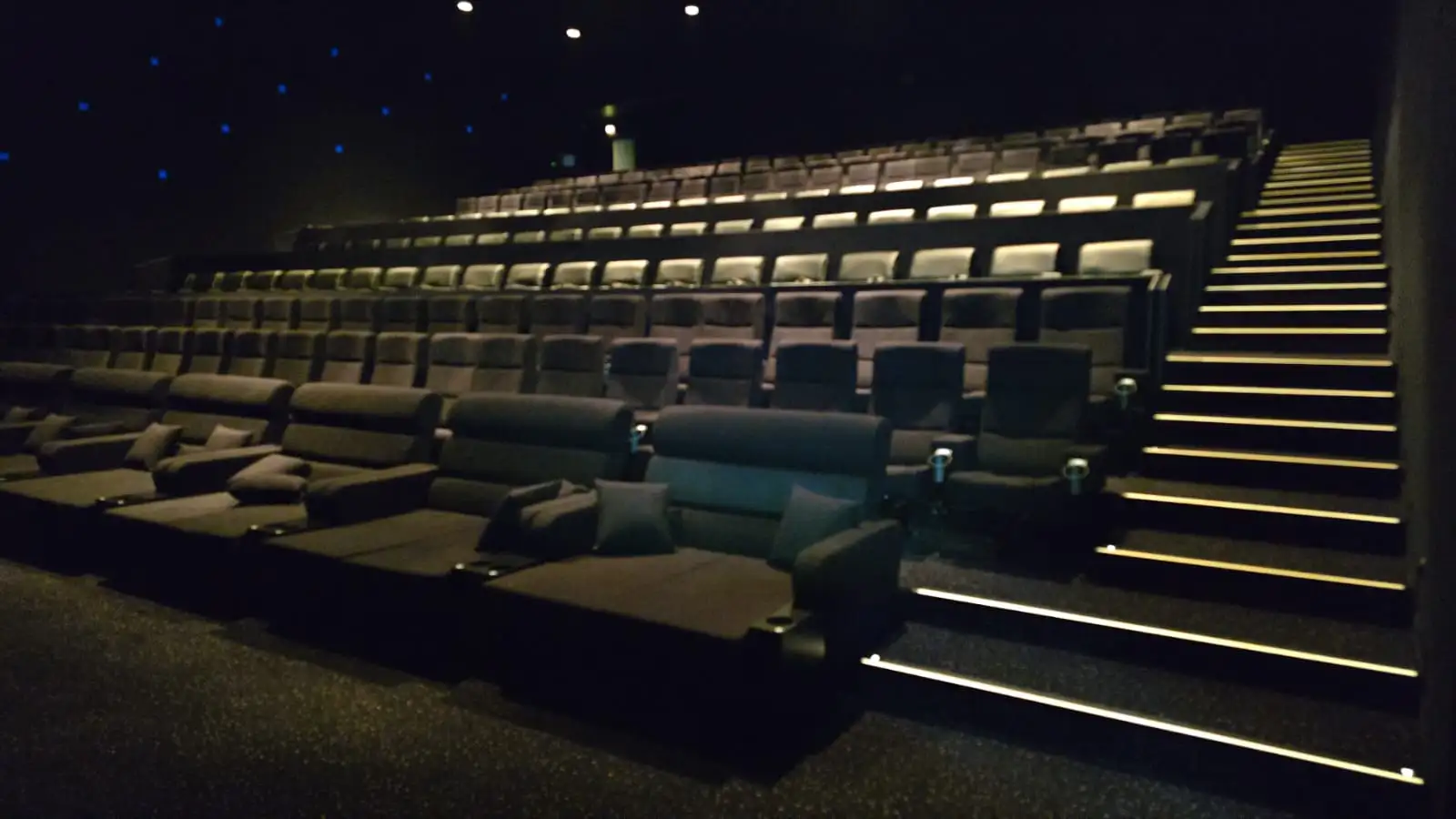
The Seat Before the Screen
Before the audience notices the story, they meet the seat. Before the first scene begins, before the sound fills the room, before the screen takes control of attention, the body already knows whether the cinema feels right. The seat is the first physical promise of the experience.
Cinema seats are often discussed as products, but in real projects they are closer to instruments. They tune the room. They decide how close people feel to each other, how long they can stay focused, how premium a hall feels, how easy the room is to clean, how organized the space looks and how much value each ticket can carry. A cinema seat is not background furniture. It is the silent structure behind the film experience.
For European cinema projects, this matters even more. Many halls are not identical boxes. Some are compact city cinemas, some are renovated cultural venues, some are multiplex projects, some are premium screening rooms, some are private cinema spaces inside hotels, clubs or residences. Each room has its own proportions, acoustics, audience profile and commercial purpose. A seat that works beautifully in one hall may be wrong for another.
The strongest cinema seat project begins with a simple idea: the chair must serve the room, the viewer and the business at the same time.
Cinema Starts With the Body
A cinema is designed for the eyes and ears, but it is experienced through the body. If the body is uncomfortable, the mind cannot fully enter the film. A viewer who is adjusting position, searching for arm space, feeling pressure behind the knees or struggling with a narrow row is no longer fully watching. The seat has interrupted the story.
This is why comfort must be designed carefully. It is not enough for a seat to look soft. It must support the body for the length of a full film, sometimes for two or three hours. The backrest angle, seat depth, foam stability, armrest position and row spacing all work together.
Real comfort is quiet. It does not announce itself. It simply allows the viewer to stay inside the film.
The Difference Between Sitting and Staying
Many chairs are good for sitting. Cinema seats must be good for staying. This is a different challenge. In a lobby, a visitor may sit for ten minutes. In a cinema hall, the viewer stays through trailers, advertisements, the full film and sometimes additional waiting time.
That longer duration changes the requirements. Foam cannot collapse under repeated use. Upholstery cannot feel rough or become loose quickly. Armrests must remain stable. Cup holders must be practical. Folding mechanisms must move without noise. The seat must not only feel good at the moment of installation; it must continue to feel correct after thousands of sessions.
A cinema seat should be judged not by the first five minutes, but by the last twenty minutes of a long film.
The Room Has a Personality
Every cinema hall has a personality, even when it is not intentionally designed. A black-box multiplex has one mood. A boutique hall with dark green upholstery has another. A red classic cinema feels different from a private room with leather recliners and warm wood details.
Seats help create that personality. Their color, form, width, material and alignment become the visual rhythm of the room. When the hall is empty, the seats are the room. They are what the eye reads first.
For this reason, cinema seats should not be selected only from a technical list. They should be chosen as part of the interior language. A seat can make a hall feel efficient, luxurious, intimate, classic, modern or exclusive.
Standard Seats Can Still Feel Premium
There is a common mistake in cinema planning: thinking that only VIP or recliner models can create quality. A standard cinema seat can feel very professional when it is well designed, well upholstered and correctly installed.
In many European cinema halls, standard seating is the most practical choice. It protects capacity, supports daily operation and keeps the room commercially efficient. But standard should never mean careless. The seat still needs durable foam, clean stitching, reliable folding movement, stable armrests and a good relationship with the row layout.
A high-quality standard cinema seat can make a commercial hall feel serious, clean and dependable. The difference is in proportion, material and consistency.
The VIP Seat Must Justify Its Space
VIP cinema seats take more space, so they must create more value. Wider dimensions alone are not enough. A VIP seat should immediately feel different through comfort, posture, material, armrest quality and the sense of personal space.
In a VIP hall, every detail becomes more visible. If the upholstery looks rich but wears quickly, the room loses value. If the cup holder is unstable, the premium feeling weakens. If the seat is wide but the row spacing is still tight, the experience becomes contradictory.
A VIP cinema seat must justify the lost capacity by increasing the perceived value of each place. It should support a higher ticket category, a stronger guest experience and a more memorable room identity.
Recliner Rooms Need Discipline
Recliner cinema seats create luxury, but they also demand discipline in planning. They cannot simply replace standard seats without changing the logic of the hall. A recliner moves. It expands. It changes the relationship between rows. It affects sightlines, cleaning, power access and service planning.
Motorized recliners create a smooth and personal experience when the electrical infrastructure is planned correctly. Manual recliners can offer relaxed comfort with simpler technical requirements. Both need reliable movement, stable frames and easy service access.
A recliner hall should never feel compressed. If the viewer opens the footrest and feels the front row too close, the luxury promise is broken. Recliner seating must be planned generously enough to feel intentional.
The Boutique Cinema Seat
Boutique cinemas are not always about maximum capacity. They are often about memory. The audience should feel that the hall has character. The seat is one of the strongest tools for creating that character.
A boutique cinema may use darker fabrics, softer forms, special stitching, warmer materials or distinctive color choices. Burgundy, black, anthracite, navy, deep green and dark brown can each create a different cinematic atmosphere. These colors should work with wall panels, carpet, lighting and acoustic surfaces.
In boutique projects, the seat should not look generic. It should feel chosen for that room.
Private Screening Rooms
Private screening rooms are a different category. They may be located in hotels, villas, clubs, corporate spaces, residential projects or exclusive entertainment areas. These rooms usually have fewer seats, but higher expectations.
In private spaces, the seat becomes part of an interior design composition. It may need to match wood finishes, wall fabrics, lighting temperature, acoustic panels and flooring. Recliners, VIP seats, double seats or cinema sofas can all work, depending on the room.
The main rule is integration. The seat should not look like a cinema product placed inside a finished room. It should look like it was part of the design from the beginning.
The Emotional Power of Color
Cinema seat color is more than decoration. It changes the emotional temperature of the hall. Red can feel classic and theatrical. Black can feel modern and focused. Burgundy can feel rich and cinematic. Dark green can feel boutique and deep. Navy can feel elegant and calm. Anthracite can feel technical and contemporary.
Color also affects how the hall appears when empty. In a large room, rows of seats create a surface. That surface must remain visually balanced under lighting. Strong colors can be beautiful, but they must be chosen with long-term maintenance and fabric performance in mind.
A color that looks impressive in a showroom must also look good after years of use.
Upholstery Is a Technical Decision
Upholstery is often chosen for appearance, but it is also a technical decision. It affects comfort, cleaning, acoustics, durability and the way the seat ages.
Fabric can make a cinema room feel warmer and acoustically softer. Artificial leather can be useful where wipe-clean surfaces are needed. Real leather or premium surfaces may be suitable for selected VIP or private rooms. The choice depends on the project’s audience, cleaning routine, climate, budget and desired atmosphere.
The wrong upholstery can age the entire hall quickly. The right upholstery protects the seat and supports the room’s character.
Foam Is the Hidden Luxury
Foam is invisible, but it determines whether the seat remains comfortable. A cinema seat may look impressive from the aisle, but the viewer understands the truth after sitting for an hour.
Good foam should provide balanced support. It should not feel hard, but it should not collapse. It should keep its shape under repeated use and support the back and seat evenly. In VIP and recliner models, foam quality becomes even more important because the expectation is higher.
Foam is not only about softness. It is about long-term structure.
Armrests Define Personal Territory
In cinema halls, personal space is created by small borders. The armrest is one of them. It tells the viewer where their space begins and where the neighboring seat begins. If armrests are too narrow, unstable or poorly positioned, the audience feels crowded.
Cup holders, tray options, storage details, USB access or control buttons can turn the armrest into a functional zone. But these features should be selected carefully. A complicated armrest that is hard to clean or easy to damage can become a maintenance problem.
A good armrest is strong, natural to use and consistent with the seat category.
Silence Is a Feature
Cinema seats must be quiet. This sounds simple, but it is one of the most important quality indicators. Folding seat pans, recliner mechanisms, armrests and mounting points should not create distracting noise.
In a cinema, silence has value. A loud mechanism during a quiet scene can break immersion. A loose seat can make the hall feel poorly maintained. A folding seat that slams can disturb the audience before and after the film.
Silent movement is not a luxury detail. It is part of the cinematic experience.
Sightlines Are Part of the Seat
A seat is not truly successful unless it offers a good view. Screen height, floor slope, row distance, backrest height and seat position must work together.
In standard halls, the goal is clear and comfortable viewing from every row. In recliner halls, visibility must be checked in both upright and reclined positions. In renovation projects, existing floor geometry may limit options, so the seat model must be chosen carefully.
A cinema seat without a good view is only an upholstered object. A cinema seat with a clear view becomes part of the experience.
Capacity Should Be Honest
A hall may show a high seat count on paper, but that number has little value if the layout feels uncomfortable. Capacity must be honest. Rows should allow movement. Viewers should have enough legroom. Cleaning teams should be able to work. Emergency circulation should not be compromised.
Different seat categories change capacity. Standard seats protect numbers. VIP seats reduce capacity but increase value. Recliners reduce capacity further but can create a premium business model.
The best capacity plan is not always the largest one. It is the one that matches the commercial identity of the hall.
Cleaning Between Stories
Every film ends, but the room must be ready for the next audience. Cleaning is part of cinema operation, and seat design directly affects it.
Popcorn, drinks, dust and frequent audience turnover create daily pressure. Cup holders must be reachable. Armrests should be practical. Floor access should be reasonable. Recliner mechanisms and footrest areas must not trap dirt in places that are impossible to reach.
A cinema seat that is easy to clean supports faster operations and a better visitor impression.
Renovation Can Change the Value of a Hall
Replacing cinema seats can transform a hall faster than many other interventions. Old upholstery, broken cup holders, collapsed foam or noisy mechanisms make the room feel tired. New seats can immediately change the atmosphere.
But renovation must be handled carefully. Existing row spacing, slope, mounting points, aisle positions and screen distance should be reviewed before selecting a new model. A beautiful new seat can create problems if it does not match the existing structure.
Renovation is not only replacement. It is an opportunity to rethink comfort, capacity, color, numbering, VIP areas and long-term maintenance.
New Cinema Projects Should Begin With Seating
In new cinema projects, seating should be discussed early. The seat type affects floor design, electrical planning, acoustic treatment, aisle layout and room capacity. This is especially important for VIP and recliner halls.
If the seating decision is delayed, the architecture may not support the preferred model. Rows may become too tight, power access may be difficult or sightlines may need correction.
A cinema hall is built around the audience. The seat should therefore be part of the first planning decisions, not the last purchase order.
European Project Expectations
European cinema projects often require a careful balance of design, durability, technical clarity and practical delivery. Some projects are renovations of existing venues. Some are new multiplexes. Some are premium boutique halls. Some are private screening rooms with high design expectations.
For these projects, communication and project control matter. Seat dimensions, upholstery, color, foam, armrest details, numbering and installation requirements should be clearly defined before production.
A manufacturer-based approach helps reduce mistakes and create a more consistent result across the entire project.
The Manufacturer’s Role
A cinema seat manufacturer should not only provide models. It should help the project team understand which model suits the room. Product details should be connected to the hall’s purpose, capacity, budget and long-term operation.
Manufacturer-based supply gives better control over customization, consistency and production quality. When many seats are installed in one hall, even small differences in color, stitching, foam or alignment become visible.
A good manufacturer helps turn seating from a purchase into a project solution.
Quality and Price Without Illusion
Price matters, but the lowest price can become expensive if the seat fails early. Weak upholstery, collapsing foam, unstable armrests, noisy mechanisms and difficult cleaning can create costs that were not visible in the original offer.
The correct comparison is not only price against price. It is price against comfort, durability, maintenance, appearance and service life.
A strong cinema seat protects the audience experience and the investment behind the hall.
Cinema Seat Categories
Professional cinema projects may include standard cinema seats, VIP cinema seats, motorized recliners, manual recliners, double seats, cinema sofas, home cinema seats, private screening room seats, boutique cinema seats, cup holder models, tray table options, numbered seating systems and custom upholstery solutions.
Each category has a different purpose. The right choice depends on the room size, audience profile, business model, comfort target, cleaning routine and long-term project value.
Conclusion
The cinema seat comes before the screen in the physical experience of the audience. It shapes comfort, attention, movement, visual identity, cleaning efficiency, acoustic behavior and commercial value. A well-selected seat supports the film without interrupting it.
A successful cinema seat project requires more than choosing a model. It requires understanding the room, the audience, the seating category, the materials, the sightlines, the maintenance routine and the long-term business strategy. When all these elements work together, the cinema becomes more comfortable, more professional and more memorable.
For professional cinema seat solutions, visit the official website.